
Event Execution
Event Execution
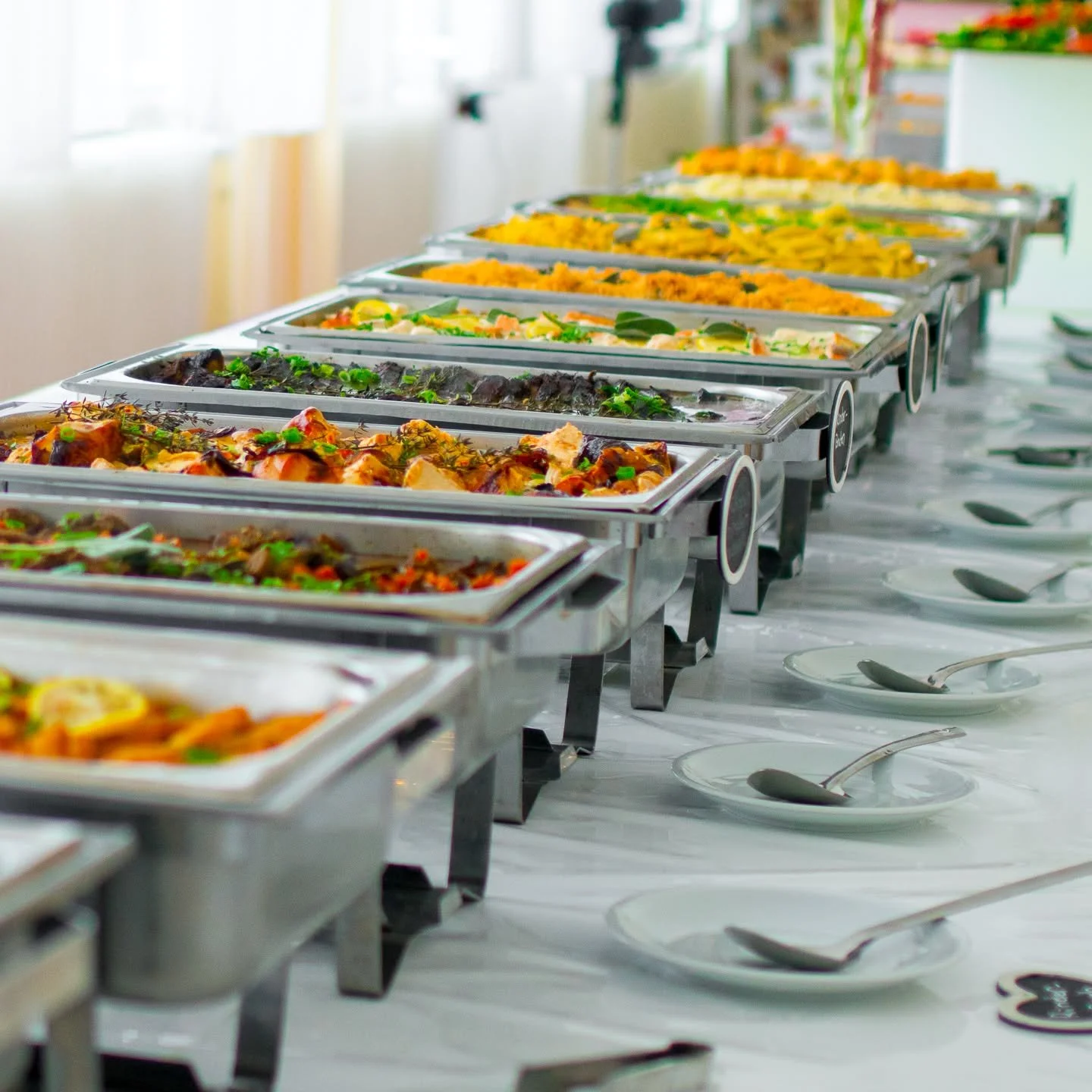
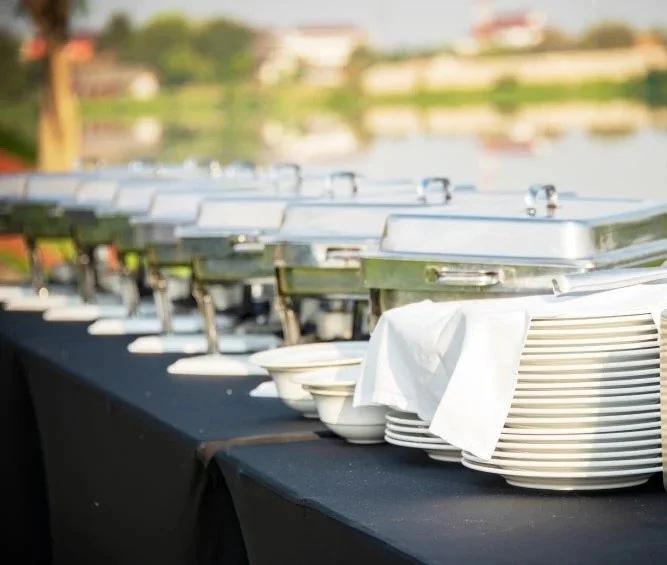
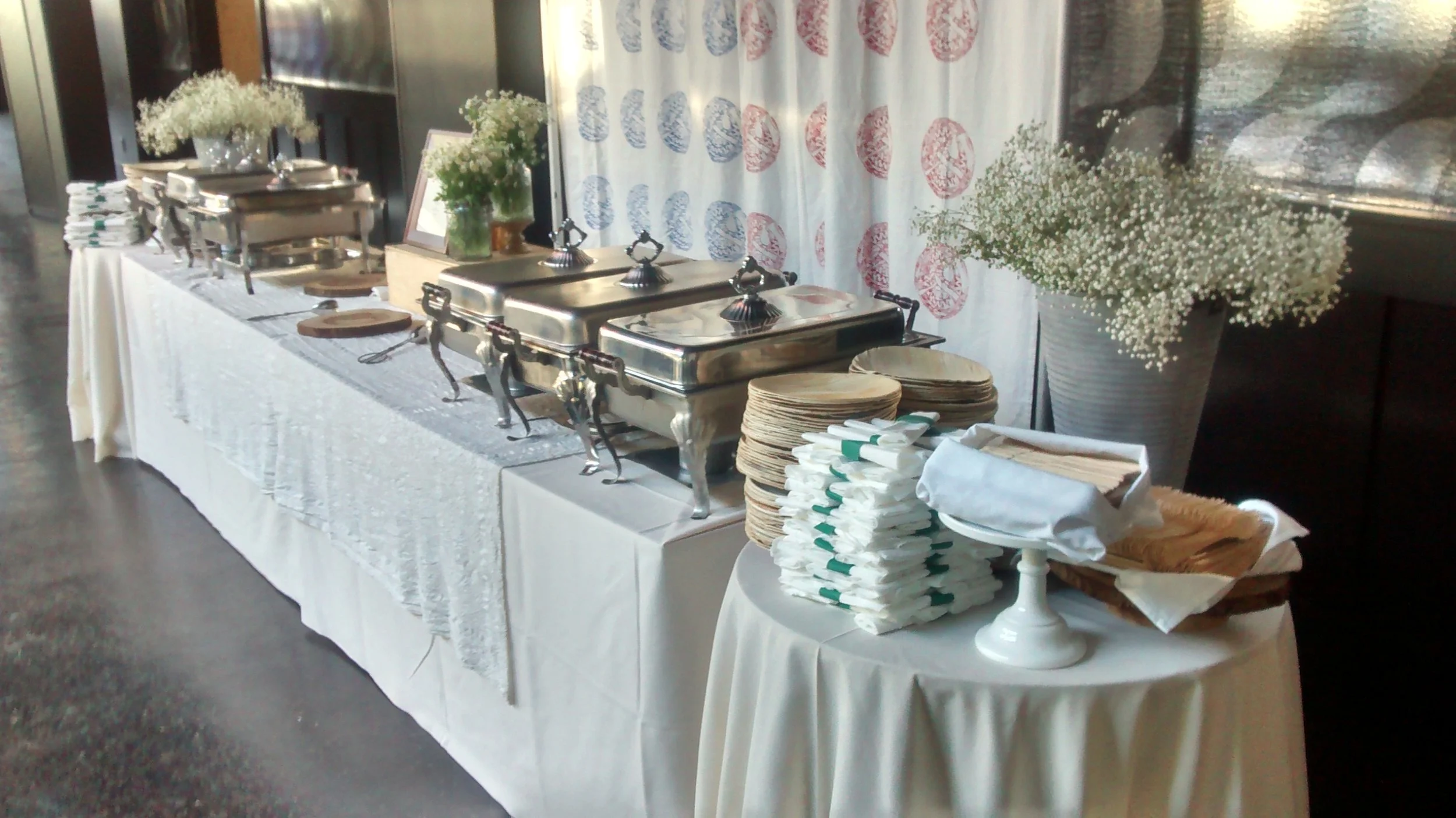
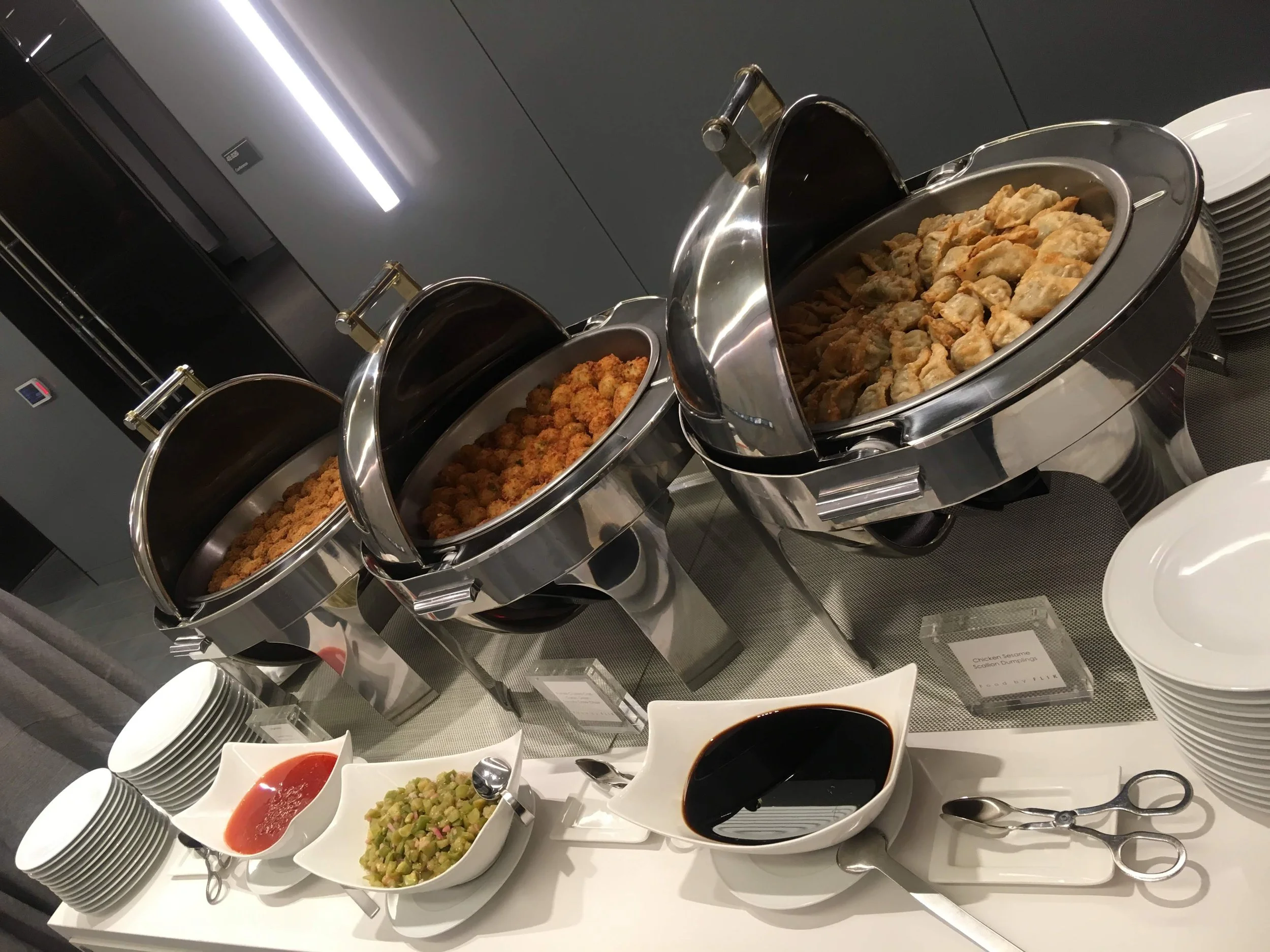
After the buffet captain has administered setup, they are responsible for executing buffet operations throughout the event. This includes managing six primary components: prepare for guests, offer food and beverage services to guests, monitor food, beverage, and equipment inventory and functionality, manage multiple stations simultaneously, manage transitions, and monitor staff performance.
1. Prepare for Guests
At least 15 minutes (but ideally 30 minutes) prior to guest arrival, the buffet captain should ensure that setup is complete.
Buffet staff should be positioned at proper points of the buffet or behind specific stations (if applicable) in proper uniform and and ready to welcome guests.
2.Offer Food and Beverage Services to Guests
Model guest engagement by prioritizing prompt, efficient, and friendly service. Acknowledge guests, inform them of offerings, and correctly portion their selections.
Accommodate requests whenever possible, remaining flexible in service and committed to guest satisfaction.
3.Monitor Food, Beverage, and Equipment Inventory and Functionality
Ensure food and beverage offerings remain at the appropriate level.
Replenish an offering when approximately 1/3 of an item remains (as this ensures guests will not be waiting for a replenishment while also minimizing food waste)
When replenishing food, cover low or mostly empty platters or chafing dishes with their lids
Do not marry leftover food on platters, chafing dishes, or in the BOH
Ensure offerings are at the appropriate temperature.
Monitor sterno gel fuel to ensure consistent heating
Replace sterno gel fuel carefully, exercising caution when retrieving used canisters and positioning and lighting new cannisters
Cover platters and chafing dishes with their lids during slower periods to hold offerings at the appropriate temperature
Administer supply and cleanliness throughout service.
Monitor tableware, dishware, glassware, rollups, and napkins to ensure a positive guest flow
Assign staff to maintain the cleanliness and organization of the buffet and stations, particularly during peak service times
In this, ensure any spills or messes are promptly addressed
4.Manage Multiple Stations Simultaneously
In managing multiple stations, ensure:
Each station has been assigned a unique number
Directions to replenish a given station note the buffet or station number and the item, where directions to the service team and expeditor assume the following format:
“Buffet 3 for kitchen”
“Go Buffet 3”
“Requesting more roasted vegetables”
In replenishing a station, ensure you have the following information:
Confirmation of the buffet or station and item needed for the expeditor
Estimated preparation time from the chef and culinary team
Estimated delivery time from the culinary team to the service professional designated station
When replenishing the buffet ensure there are napkins or utensils to safely remove the food insert(s) and exchange it for the new food item(s)
5.Manage Transitions Seamlessly
Address transitions between dinner and coffee or dessert service as necessary. After following the appropriate protocol for transitions, follow the above practices to ensure offerings, supplies and inventory, and cleanliness remain at the front of one’s mind.
6.Monitor Staff Performance
If applicable, the buffet captain must monitor the performance of any buffet staff. To do this, he, she, or they should maintain a visible presence and actively supervise the staff, offering support, guidance, and direction.